
Blog
The Role of Saloon Culture in Western Fiction

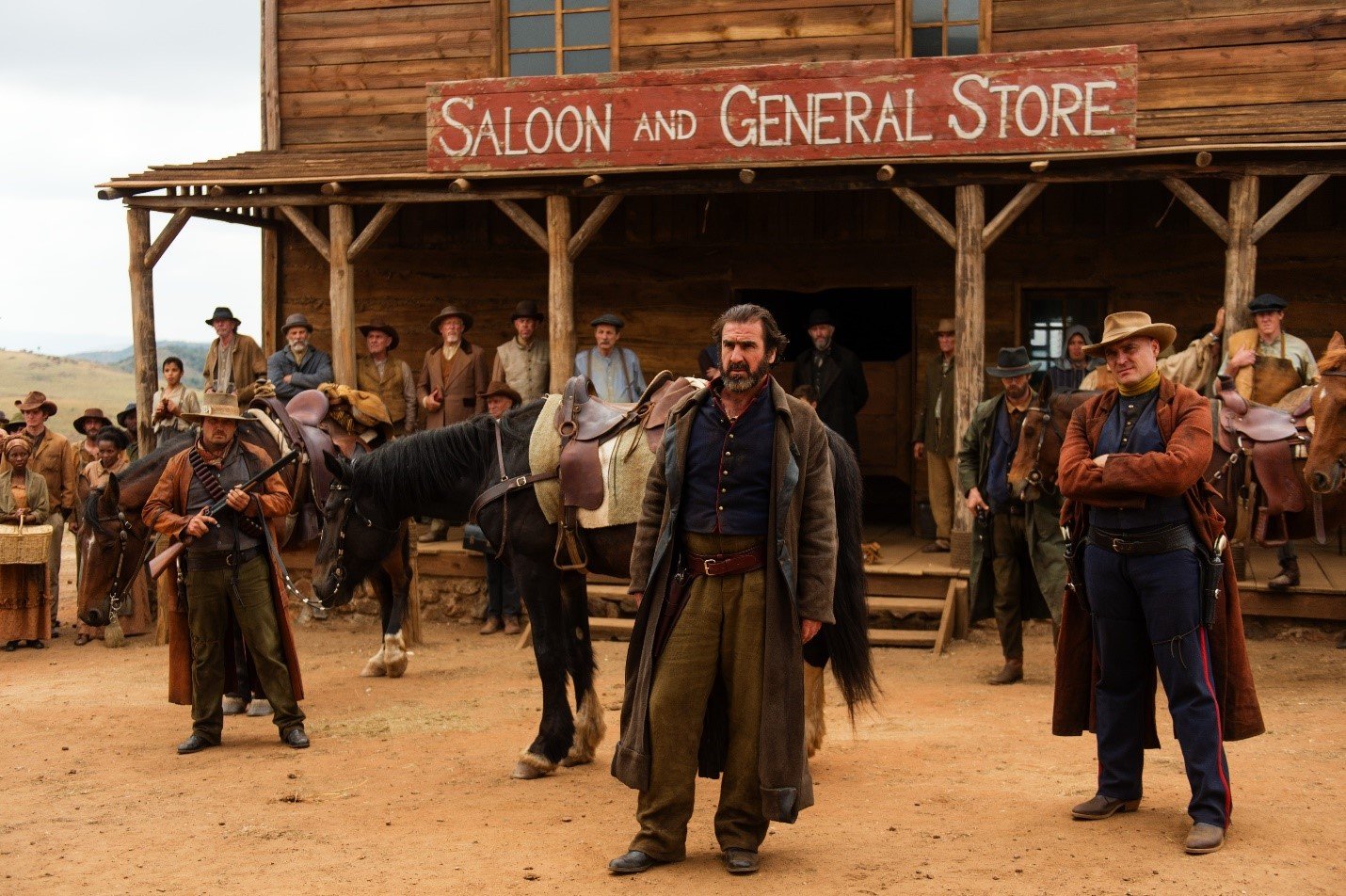
Saloon culture is a defining feature of Western fiction, representing much more than just a setting. It embodies the spirit of the Old West and provides a rich backdrop against which stories of adventure, conflict, and personal drama unfold. From classic literature to contemporary novels, saloon culture plays a crucial role in Western fiction, offering insight into the era’s social dynamics and personal interactions.
1.The Iconic Setting
In Western fiction, the saloon often serves as the heart of a town. It’s not just a place where characters gather to drink; it’s a vibrant social hub where deals are made, secrets are shared, and conflicts are ignited. The saloon represents a space where the rules of civilization blur, and the wildness of the frontier emerges. This setting is instrumental in creating the atmosphere of tension and intrigue that Western fiction is known for. The role of saloon culture in these stories highlights the contrast between lawlessness and order, a central theme in many Western narratives.
2.Character Development and Social Interaction
Saloon culture provides a unique environment for character development. The interactions within the saloon reveal much about the characters’ personalities and backgrounds. For example, a character’s behavior in a saloon can reflect their social status, personal values, and hidden motivations. Whether it’s the grizzled gunslinger, the ambitious saloon owner, or the desperate gambler, the saloon serves as a stage where these characters’ traits and aspirations come to life.
Moreover, saloon culture facilitates social interactions that drive the plot forward. The saloon becomes a place where alliances are formed, rivalries are settled, and pivotal decisions are made. These interactions are crucial in Western fiction, as they often lead to significant plot developments and character transformations.
3.The Saloon as a Microcosm of Society
Saloon culture in Western fiction often mirrors the broader societal dynamics of the time. It reflects the complexities of frontier life, including the challenges of law enforcement, the struggles of economic survival, and the conflicts between different social groups. Through the lens of the saloon, readers gain insight into the various facets of life in the Old West, from the camaraderie of shared drinks to the tension of unspoken rivalries.
This microcosm aspect of saloon culture allows Western fiction to explore broader themes such as justice, morality, and survival. The saloon becomes a microcosm of the frontier’s chaotic nature, offering a glimpse into the human condition as it grapples with the demands of a harsh and unforgiving environment.
4.The Symbolism of the Saloon
In Western fiction, the saloon often symbolizes both opportunity and danger. It represents a place where anything can happen, from spontaneous celebrations to violent confrontations. This duality makes the saloon a powerful symbol in Western narratives, embodying the unpredictability and excitement of frontier life.
The saloon’s symbolism extends beyond its physical presence in the story. It also reflects the internal struggles of the characters who frequent it. For many, the saloon is a refuge from their troubles, a place to escape their reality, or a stage for their ambitions and dreams. This symbolic role of saloon culture adds depth to the narrative, enriching the reader’s understanding of the characters and their motivations.
5.Evolution of Saloon Culture in Modern Western Fiction
As Western fiction has evolved, so has the portrayal of saloon culture. Contemporary Western novels and media often reimagine the saloon, reflecting changes in societal attitudes and historical understanding. While the traditional image of the rough-and-tumble saloon remains prominent, modern interpretations may highlight different aspects of saloon culture, such as the complexities of gender roles or the impact of modernization on frontier life.
This evolution reflects a broader trend in Western fiction to explore and reinterpret the genre’s classic elements. By examining saloon culture through a modern lens, authors and creators can offer fresh perspectives on the Old West, blending historical authenticity with contemporary insights.
6.The Saloon in Popular Culture
The influence of saloon culture extends beyond literature into popular culture. Films, television shows, and video games often draw on the rich tradition of saloon culture in Western fiction, bringing it to life for new audiences. These adaptations can vary from faithful recreations to innovative takes, but they all acknowledge the saloon’s central role in shaping the Western genre.
Saloon culture’s enduring appeal in popular culture underscores its significance in Western fiction. It continues to captivate audiences by providing a vivid and dynamic setting that enhances the storytelling experience. The saloon remains a beloved symbol of the Old West, resonating with audiences through its complex blend of tradition, drama, and excitement.
Conclusion
In conclusion, saloon culture plays a multifaceted role in Western fiction, serving as a setting, a character development tool, and a symbol of frontier life. Its impact on the genre is profound, shaping narratives and enriching the portrayal of the Old West. As Western fiction continues to evolve, saloon culture remains a vital element, reflecting the enduring fascination with the history and mythology of the American frontier.