
Blog
The Realities of Cowboy Life vs. Hollywood Myths

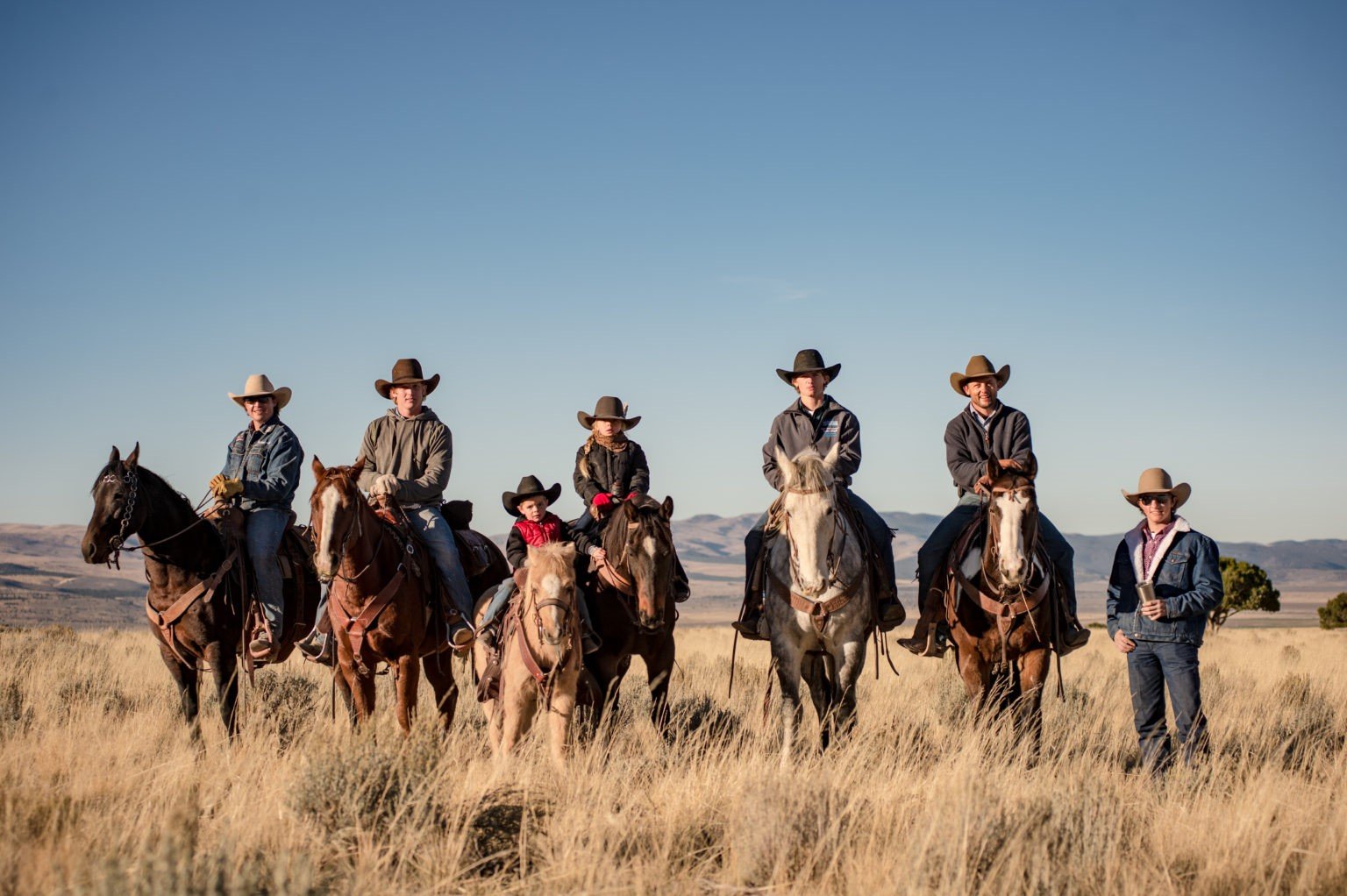
When you think of a cowboy, what comes to mind? For many, the image of a rugged individual riding across the plains, brandishing a six-shooter, and engaging in high-noon showdowns is deeply rooted in Hollywood mythology. However, the reality of cowboy life is often far different from the glamorous portrayals seen on the big screen. In this blog, we’ll explore the stark contrasts between the Hollywood myths of cowboy life and the actual experiences of those who have lived it.
Hollywood’s Cowboy Myths
Hollywood has long been fascinated with the cowboy image, crafting a mythos that blends adventure, romance, and lawlessness into a captivating narrative. Classic Western films depict cowboys as heroic loners who always stand up for justice, engage in dramatic shootouts, and lead a life of thrilling escapades. These portrayals often include iconic elements like vast desert landscapes, saloon brawls, and confrontations with outlaws. The Hollywood cowboy is a symbol of rugged individualism and bravery, but this cinematic vision often oversimplifies or exaggerates the realities of cowboy life.
The True Nature of Cowboy Life
In reality, the life of a cowboy is rooted in hard work, persistence, and a deep connection to the land. Far from the romanticized version presented in films, cowboys typically spend long hours performing demanding tasks like cattle herding, fence repairs, and maintaining equipment. Their daily routines are physically grueling and often involve working in harsh weather conditions. Cowboys must also possess a wealth of practical skills, including animal husbandry, ranch management, and sometimes even basic veterinary care. This demanding lifestyle requires a different kind of resilience than what is typically portrayed in Hollywood movies.
Challenges and Hardships
While Hollywood often portrays cowboys as fearless and untroubled, the real cowboy life involves numerous challenges and hardships. From financial instability to isolation, cowboys face a range of difficulties that are rarely highlighted in popular media. Many ranches operate on tight budgets, and economic pressures can be significant. Additionally, the vast and remote nature of many ranches can lead to feelings of isolation and loneliness. The daily grind of maintaining a ranch and caring for livestock is often overlooked in favor of more glamorous or dramatic elements.
The Evolution of the Cowboy Image
Over time, the image of the cowboy has evolved both in Hollywood and in reality. Modern cowboys are diverse individuals who may work on large commercial ranches or small family-owned operations. They often use advanced technology and modern equipment to manage their work, contrasting sharply with the nostalgic imagery of the Old West. The cowboy life today still embodies many of the values of independence and self-reliance, but it also includes new challenges and adaptations to a changing world.
Cultural Impact and Authentic Representation
Despite the disparities between Hollywood myths and reality, the cowboy remains an enduring symbol in American culture. The authentic experiences of cowboys contribute to a richer and more nuanced understanding of this iconic figure. Efforts to accurately represent cowboy life in media and literature can help bridge the gap between myth and reality, offering a more balanced view of this significant aspect of American heritage.
Conclusion
In Richard G. Austerman’s Gray, readers are thrust into the perilous world of the Old West through the eyes of a skilled gunslinger navigating the lawless town of Holbrook. This gritty Western novel masterfully intertwines themes of survival, honor, and moral ambiguity as Gray faces violent threats and forms uneasy alliances. With its vivid depiction of frontier life, Gray offers a gripping exploration of justice and personal bravery, making it a compelling read for fans of rugged, morally complex Western adventures.